Best Korean Skin Treatments for Sensitive Skin
Quick answer: The best Korean skin treatments for sensitive skin are barrier-repairing injectables such as Rejuran Healer and hydrating skin boosters, low-fluence laser toning, Vbeam for redness, and mild Aqua peels. They use little heat or acid, have 0–2 days of downtime, and are adjusted by a doctor in Seoul to your skin’s reactivity.
What counts as sensitive skin at a Korean skin clinic?
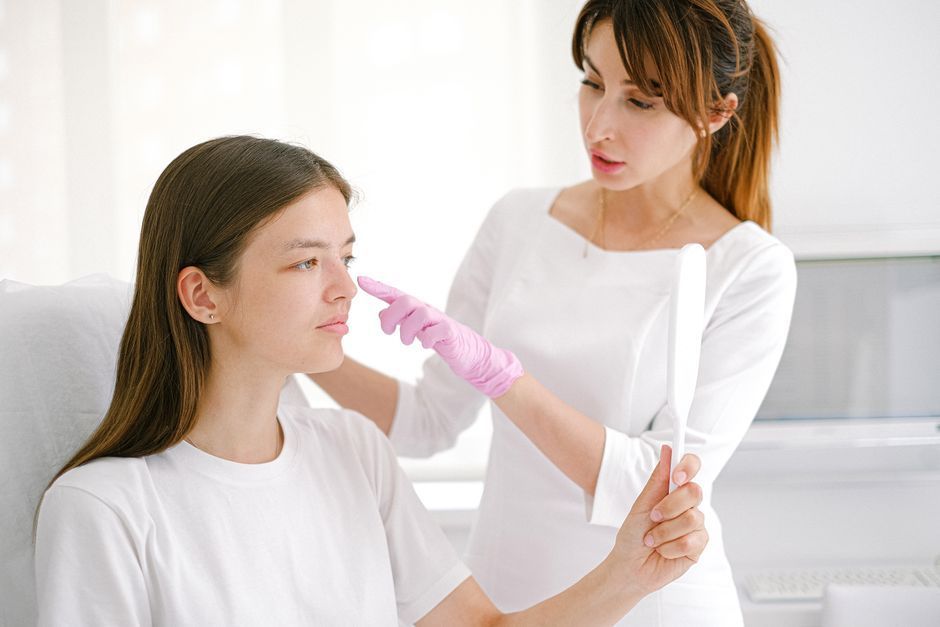
Sensitive skin is a description, not a diagnosis. At a Korean dermatology clinic, the doctor will try to work out why your skin reacts: a weakened barrier, rosacea, contact allergy, over-exfoliation, or simply thin, easily flushed skin. Each cause points to a different plan.
Tell the doctor if you sting with most skincare, flush with heat or alcohol, have had reactions to retinoids or acids, or have a history of eczema, rosacea or cold sores. These details matter more than your skin type label, because they decide how much heat, acid or needling your skin can tolerate.
Signs your skin needs a gentle-first plan
- Burning or stinging with ordinary moisturizers or sunscreen
- Persistent redness on the cheeks or nose
- Flaky, tight skin after cleansing
- Breakouts or rashes after trying new active ingredients
Which Korean skin treatments are best for sensitive skin?
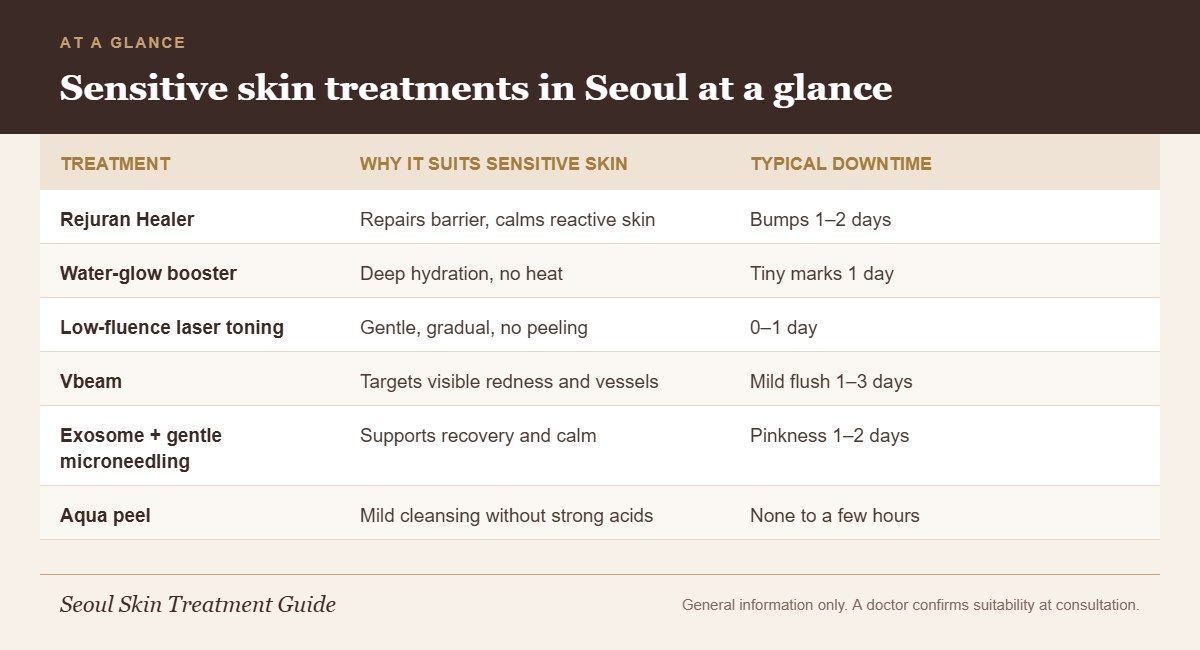
For foreigners visiting Seoul with sensitive skin, the safest starting points are treatments that rebuild rather than strip. Here is how the main options compare.
| Treatment | Best for | Sessions | Typical Seoul range (approx.) |
|---|---|---|---|
| Rejuran Healer 2cc | Barrier repair, reactivity, texture | 3–4, 2–4 weeks apart | KRW 200,000–450,000 |
| Water-glow skin booster | Dehydration, tightness | 1–3 | KRW 100,000–300,000 |
| Laser toning (Nd:YAG) | Dullness, mild pigment | 5–10 | KRW 30,000–100,000 |
| Vbeam | Redness, visible vessels | 3–5 | Varies; ask the clinic |
| Exosome with microneedling | Recovery, skin quality | 3–5 | KRW 150,000–400,000 |
| Aqua peel | Gentle cleansing, congestion | As needed | KRW 30,000–80,000 |
Repair: Rejuran and hydrating boosters
Rejuran Healer is a polynucleotide (PN) injectable derived from salmon DNA that supports skin repair, elasticity and texture. Many sensitive-skin patients choose Rejuran Healer in Seoul because it works on skin quality without heat. Expect small bumps for 24–48 hours. Rejuran HB contains lidocaine, which some people find more comfortable.
Hydrating skin boosters in Korea, often called water-glow injections, place hyaluronic acid into the skin to reduce tightness and flaking. If you are weighing repair options, our guide Rejuran vs Exosome: Which Is Better for Skin Repair? explains the differences.
Calm redness: Vbeam and gentle toning
Vbeam is a pulsed-dye laser used for visible redness and small vessels. If flushing is your main concern, see Vbeam laser in Korea and our page on redness treatment in Seoul. Low-fluence laser toning brightens gradually with almost no visible downtime, which suits reactive skin when the settings are conservative.
Support recovery: exosome
Exosome treatments are usually applied after microneedling or laser to support recovery and skin quality. The research is still developing, so think of exosome treatment as a supportive add-on rather than a stand-alone fix.
Which treatments should sensitive skin approach with caution?
Some popular Korean treatments are not off-limits, but they need careful screening and lower settings:
- Strong chemical peels: deeper acid peels can sting and trigger flare-ups. Mild formulas may be fine; see chemical peels in Korea.
- IPL: it can help redness, but it can worsen melasma in some people, so the doctor checks pigment first.
- CO2 fractional and aggressive resurfacing: 5–7 days of redness and crusting, and a higher chance of irritation in reactive skin.
- High-energy RF microneedling: treatments such as Potenza cause 2–5 days of redness; usually best once the barrier is stable.
If you have rosacea, active eczema, an infection or a cold sore, tell the doctor. Treatment may be postponed or modified.
How should you plan sessions for sensitive skin in Seoul?
The safest plan for sensitive skin is usually repair first, then brighten, then refine. A short-trip visitor might do one Rejuran or hydration session plus a gentle toning; a longer-stay expat can build a series.
- Consultation: share your skincare, medications and past reactions. Bring photos of flare-ups if you have them.
- Patch or test settings: the doctor may start with lower energy or a small area.
- Repair phase (weeks 0–8): Rejuran or boosters every 2–4 weeks for 3–4 sessions.
- Tone phase: laser toning or Vbeam once redness and stinging settle.
- Maintenance: sunscreen daily, simple fragrance-free skincare, and periodic boosters.
Avoid starting new actives such as retinoids or acids in the week before and after treatment unless the doctor says otherwise.
How much do sensitive-skin treatments cost in Seoul?
Most gentle treatments sit in the lower to middle part of Seoul’s price spectrum. In 2026, laser toning typically costs about KRW 30,000–100,000 (roughly US$20–70) per session, hydrating boosters about KRW 100,000–300,000 (US$70–210), and Rejuran Healer 2cc about KRW 200,000–450,000 (US$140–320). These are approximate market ranges, not the prices of any single clinic.
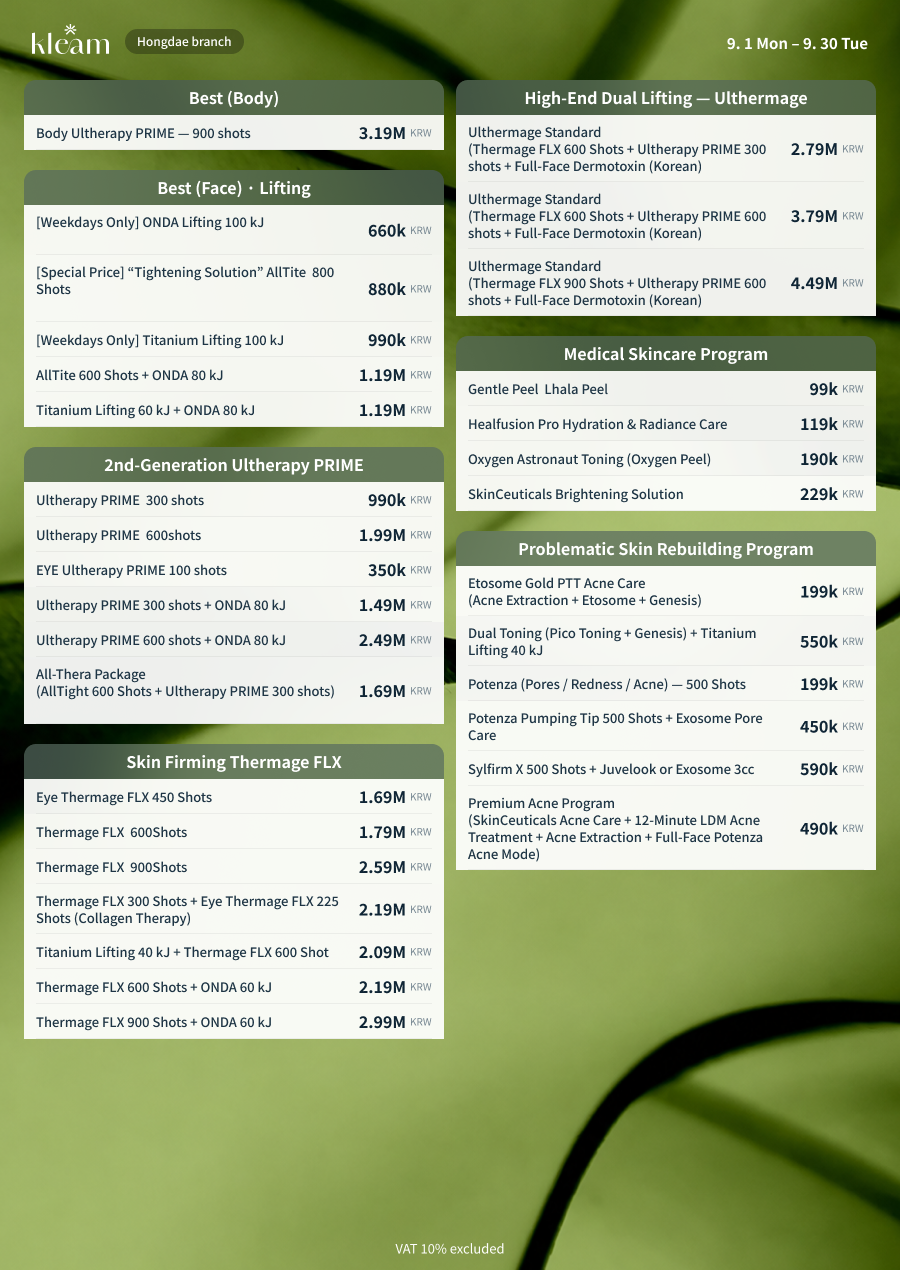
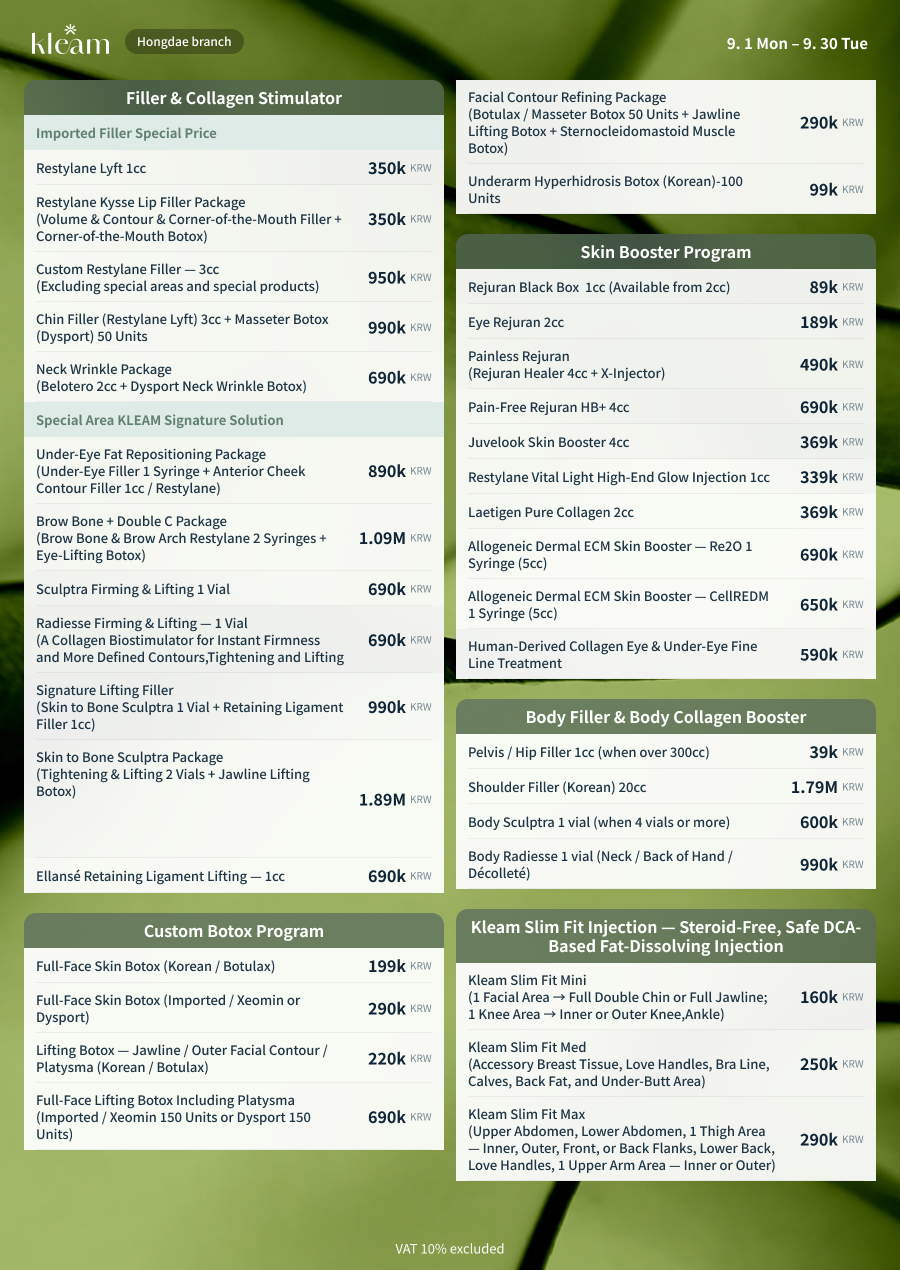
Price depends on the product and volume (cc), whether numbing cream and calming masks are included, the number of sessions, packages, and the 10% VAT usually added to cosmetic procedures. For exact figures, check the current price list.
What downtime and aftercare should sensitive skin expect?
Gentle treatments typically mean 0–2 days of visible signs: small injection bumps after Rejuran, light pinkness after toning, or a mild flush after Vbeam. Sensitive skin may stay pink a little longer, so leave a buffer before photos or events.
- Use a bland moisturizer and SPF 50 daily; reapply outdoors.
- Skip saunas, hot yoga and alcohol for 24–48 hours if you flush easily.
- Do not scrub, peel or use actives for about 3–5 days.
- Contact the clinic if you notice spreading redness, blisters or pain.
Pregnant or breastfeeding patients should tell the doctor, as many injectables and lasers are postponed. Results vary from person to person.
Planning your visit to a skin clinic in Hongdae, Seoul
Hongdae is easy to reach: Hongik Univ. Station is served by Line 2, the Gyeongui–Jungang Line and the AREX Airport Railroad, which runs directly to Gimpo and Incheon airports. Many clinics in the area have English- or Japanese-speaking staff, which helps when you need to describe past reactions clearly, something that matters for sensitive skin.
Many clinics take consultations by WhatsApp or KakaoTalk, so send clear photos, your skincare history and your travel dates in advance. Before booking, confirm who performs the treatment, the exact number of shots, units or cc, and whether VAT is included. Compare quotes against the current Hongdae clinic price list, and read about Rejuran, redness care and acne care if breakouts are part of your sensitivity. Leave a buffer of a few days before your flight home.
Frequently asked questions
Can I get laser treatment in Korea if I have sensitive skin?
Usually yes, with adjusted settings. Low-fluence laser toning and Vbeam are commonly used on sensitive skin because they cause little or no peeling. The doctor checks for rosacea, melasma and active irritation first, then chooses energy levels conservatively. Stronger resurfacing lasers such as CO2 are generally postponed until your skin barrier is calm.
Is Rejuran good for sensitive skin?
Rejuran Healer is often recommended for sensitive skin because it supports repair without heat or acids. Most people see small bumps for 24–48 hours. A typical plan is 3–4 sessions spaced 2–4 weeks apart. Tell the doctor about any fish or salmon allergy, since Rejuran is derived from salmon DNA.
Do sensitive-skin treatments hurt?
Most gentle treatments are mild. Laser toning feels like light snapping, and injectables such as Rejuran are done after numbing cream; Rejuran HB also contains lidocaine. Sensitive skin may feel warmer afterward. Tell staff if you are uncomfortable, as cooling, numbing time and settings can be adjusted during the session.
How many days should I leave before flying after a gentle treatment?
For laser toning, Vbeam or an Aqua peel, flying the next day is typically fine. After Rejuran or boosters, injection bumps usually fade in 1–3 days, so plan a buffer if you want photos. Avoid scheduling stronger treatments like CO2 laser within a week of your flight home.
Can I combine several treatments in one visit if my skin is sensitive?
Sometimes, but sensitive skin usually does better with fewer combinations per day. A doctor might pair a hydration booster with gentle toning, yet postpone a peel or RF microneedling. Expect a more conservative plan than someone with resilient skin, especially on your first visit to a Seoul clinic.
Related guides
This guide is general information for international visitors, not medical advice. A doctor confirms suitability, dosage and number of sessions at consultation. Prices are approximate Seoul market ranges and change over time — always check the clinic's current price list. Last updated: October 2026.