Rejuran vs Exosome: Which Is Better for Skin Repair?
Quick answer: Rejuran is usually the better choice when your skin itself needs long-term repair, such as thin, reactive or damaged skin, because its polynucleotides are injected directly into the skin over a 3–4 session series. Exosome is better as a recovery booster applied with microneedling or laser to help skin settle faster and look healthier. Evidence for exosome is still developing.
What is the difference between Rejuran and exosome?
Rejuran Healer is an injectable skin booster made of polynucleotides (PN) derived from salmon DNA. It is placed into the skin with fine injections and is used in Korea to support the skin’s repair process, elasticity and texture.
Exosome treatment uses tiny vesicles, originally released by cells, that carry signaling molecules. In Korean skin clinics, exosome is usually applied immediately after microneedling or a laser, when the skin’s channels are open, to support recovery and overall skin quality. Research is moving quickly, but the evidence is still developing, so treat exosome as a supportive option rather than a proven cure.
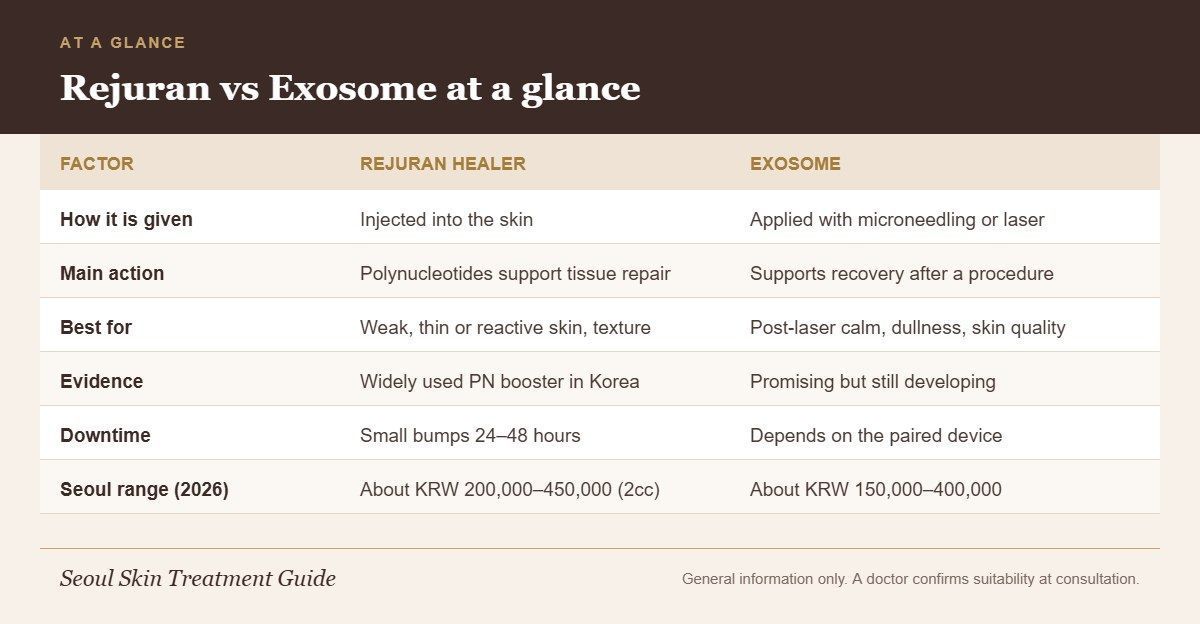
The key difference in the Rejuran vs exosome decision is the job each one does. Rejuran is a stand-alone repair treatment for the skin itself. Exosome is mostly a recovery partner that makes another procedure more comfortable and helps the skin look calmer afterward.
| Factor | Rejuran Healer | Exosome |
|---|---|---|
| Delivery | Injected by hand or device | Applied after microneedling or laser |
| Primary role | Long-term repair, elasticity, texture | Recovery support and skin quality |
| Typical plan | 3–4 sessions, 2–4 weeks apart | Often added to each device session; doctor decides |
| Downtime | Small bumps for 24–48 hours | Mainly from the paired device, e.g. redness for a day or more |
| Strength of evidence | Established, widely used in Korea | Promising, still developing |
| Typical Seoul range (2026) | About KRW 200,000–450,000 (2cc) | About KRW 150,000–400,000 |
Which is better for skin repair after lasers or acne?
This is where most foreigners in Seoul face the Rejuran vs exosome question: you want a laser or acne treatment, and you want your skin to recover well.
Right after a laser or microneedling session
Exosome is designed for this moment. Applied straight after microneedling in Seoul or a fractional laser, it is used to help the skin settle and look less irritated. It adds little or no extra downtime of its own.
Skin that stays weak, thin or reactive
If your skin is chronically sensitive, flushes easily, or still looks tired weeks after treatments, Rejuran is usually the more direct option, because it works inside the skin across a series. People dealing with facial redness often ask about Rejuran, but a doctor should check for rosacea or other causes first.
After acne
For post-acne skin, many plans pair active acne care with repair. Rejuran can be used once breakouts are controlled to improve texture, while exosome is often added to scar-focused sessions such as microneedling or CO2 fractional laser to support recovery.
How long do Rejuran and exosome results last?
Rejuran results build gradually. Skin often looks smoother and more even a few weeks after the first session, with more consistent improvement after 3–4 sessions. Many patients then book occasional maintenance sessions, as advised by their doctor.
Exosome results are harder to separate from the device it is paired with. Patients commonly report calmer, more radiant skin in the days after treatment, but the lasting change usually comes from the laser or microneedling itself. Be cautious of anyone promising dramatic or permanent exosome results.
How much do Rejuran and exosome cost in Seoul?
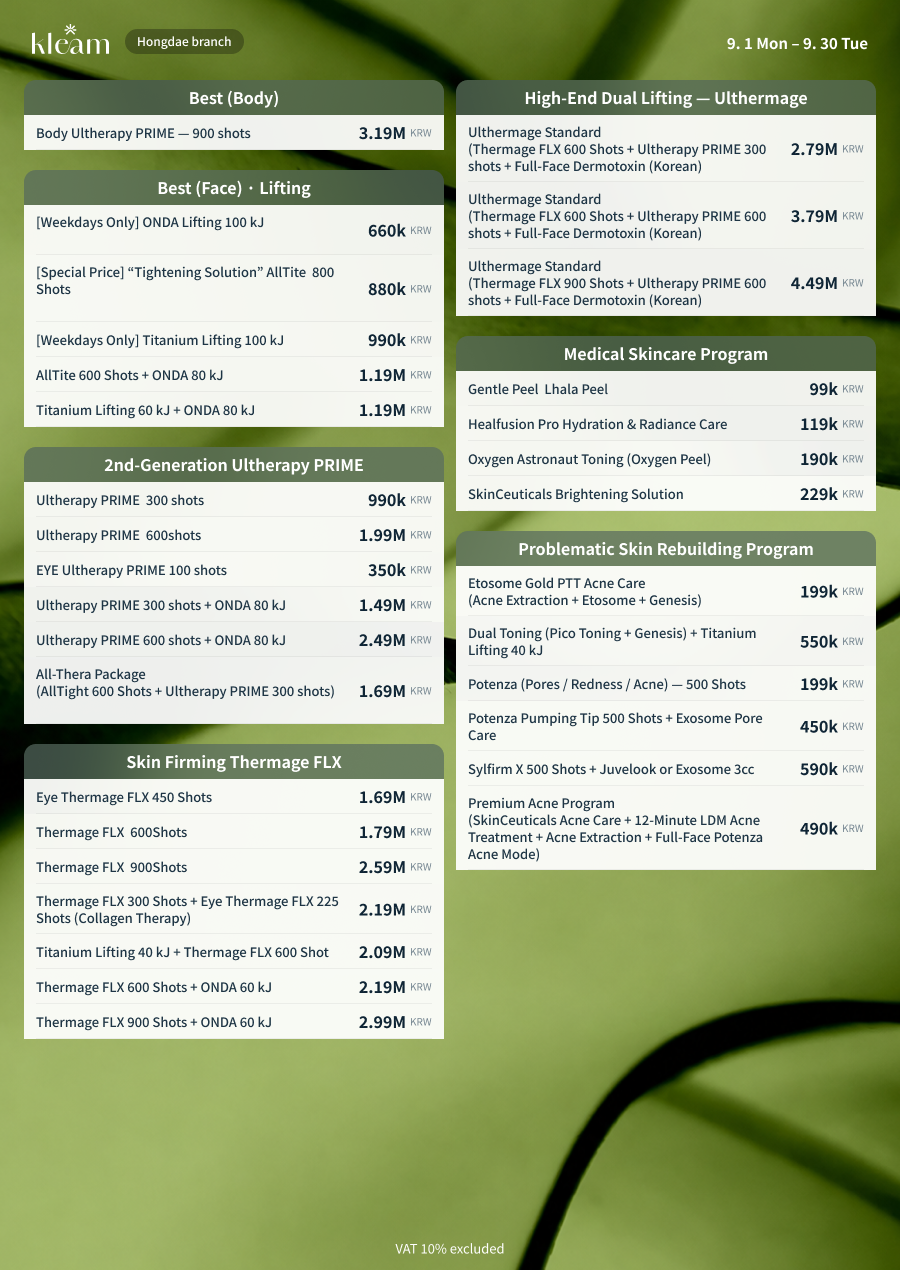
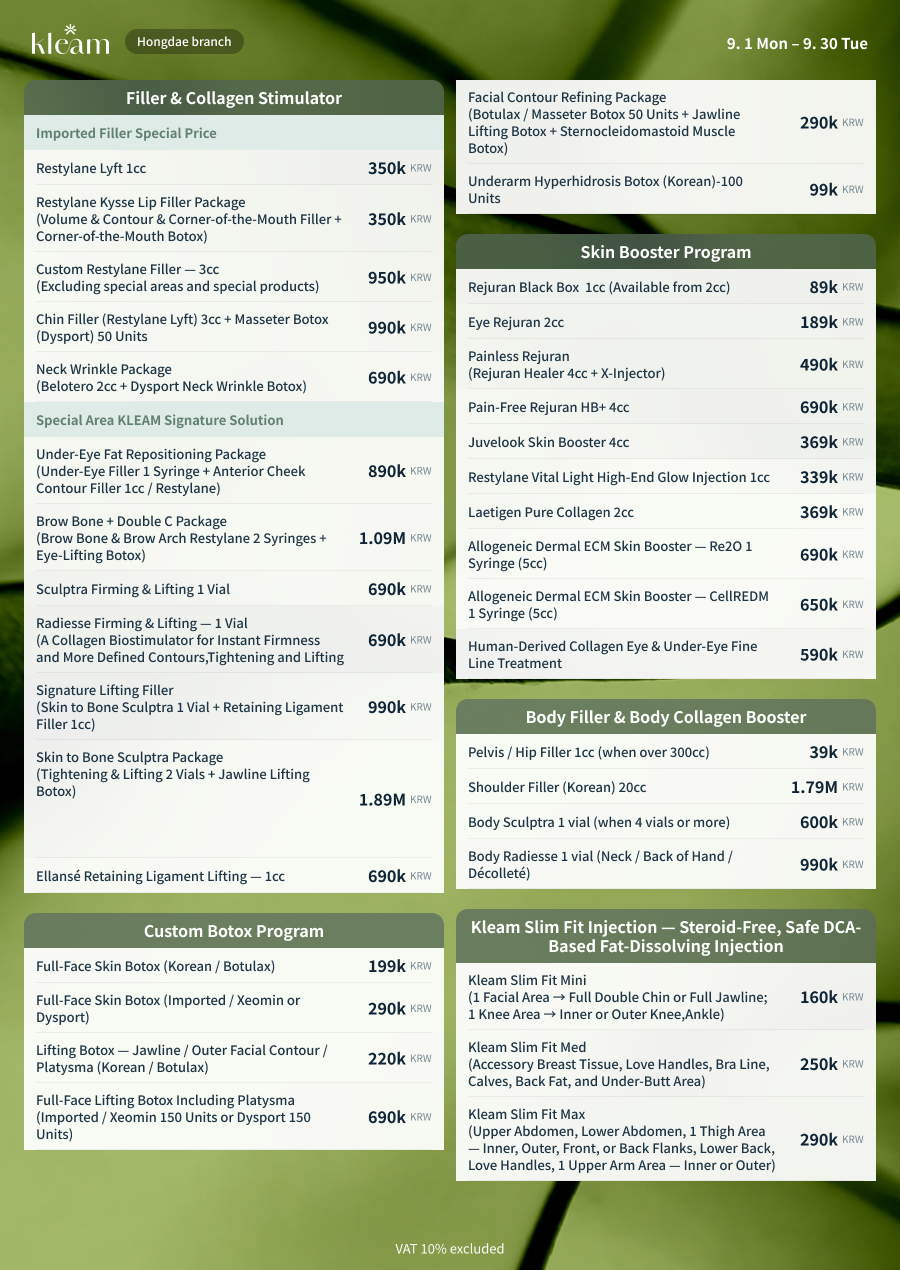
In Seoul, Rejuran Healer 2cc typically costs about KRW 200,000–450,000 (roughly US$140–320) per session in 2026. Rejuran HB and eye Rejuran typically cost about KRW 200,000–400,000 (roughly US$140–290). Exosome applied with microneedling or laser typically costs about KRW 150,000–400,000 (roughly US$110–290). These are approximate market ranges, not any single clinic’s prices.
Price drivers to ask about:
- How many cc of Rejuran are injected, and whether it is Healer, HB (with lidocaine) or eye Rejuran.
- Which exosome product is used and whether the microneedling or laser is included in the quoted price.
- Whether numbing cream and calming aftercare are included.
- Package pricing for a series, and the 10% VAT usually added to cosmetic procedures.
Check the current price list for up-to-date figures, and see our Rejuran Healer cost guide for Seoul and exosome treatment cost guide for more detail.
Can you combine Rejuran and exosome?
Yes. A common Korean approach is to alternate: a Rejuran injection session for deeper repair, and on another visit a device session finished with exosome. Some clinics also offer both on the same day, but that is a doctor’s call based on how your skin reacts.
If you are deciding between three boosters rather than two, read Juvelook vs Rejuran vs Exosome. If firmness matters more than repair, compare Rejuran vs Juvelook.
Which is better for a short trip to Seoul?
For a stay of a few days, both can work. Rejuran bumps typically settle in 24–48 hours. With exosome, plan around the device: microneedling or a gentle laser may mean redness for a day or so, while CO2 fractional laser needs about 5–7 days of recovery.
- Book repair treatments early in your trip, not the day before you fly.
- Avoid saunas, intense workouts and alcohol for a short period after treatment.
- Pack a gentle cleanser and high-SPF sunscreen, and follow our aftercare guide for foreigners.
Planning your visit to a skin clinic in Hongdae, Seoul
Hongdae is easy to reach and convenient for short trips. Hongik Univ. Station is on Seoul Subway Line 2, the Gyeongui–Jungang Line and the AREX Airport Railroad, so Incheon and Gimpo airports are a direct ride away.
- Ask whether English- or Japanese-speaking staff are available.
- Many clinics take consultations by WhatsApp or KakaoTalk; send photos and your travel dates.
- Confirm who performs the treatment, the exact cc or product, whether microneedling or laser is included with exosome, and whether VAT is in the quote.
- Check the clinic’s current Hongdae clinic price list before you book.
- Leave a buffer before your flight.
Learn more about Rejuran Healer in Hongdae and exosome treatment in Seoul, and compare skin booster options in Seoul before your consultation.
Frequently asked questions
Is exosome better than Rejuran?
Not necessarily. They do different jobs. Rejuran is injected to repair the skin over a 3–4 session series and has a longer track record in Korea. Exosome is mainly used with microneedling or laser to support recovery, and its evidence is still developing. Your doctor may recommend one, the other or both depending on your skin.
Does exosome treatment hurt?
Exosome itself is applied to the skin, so it is not painful. Any discomfort comes from the paired microneedling or laser, which is usually done after numbing cream. Rejuran involves many small injections and can sting; Rejuran HB contains lidocaine for added comfort.
How many Rejuran or exosome sessions do I need?
Rejuran is typically 3–4 sessions spaced 2–4 weeks apart. Exosome is usually added to each device session in a series, and the number depends on the main treatment, such as a set of microneedling or laser sessions. A doctor confirms the plan at consultation.
Can I fly after Rejuran or exosome?
Flying the next day is usually fine after Rejuran, though small bumps may still show. After exosome with microneedling, mild redness may last a day or so. After stronger lasers like CO2, allow about 5–7 days. Use sunscreen, stay hydrated on the plane and avoid harsh skincare until your skin settles.
Is Rejuran safe for people with fish allergies?
Rejuran is derived from salmon DNA, so tell the doctor about any fish or seafood allergy, as well as pregnancy, breastfeeding or skin conditions. The doctor will decide whether Rejuran is suitable or recommend an alternative such as other skin boosters or PRP injections.
Related guides
This guide is general information for international visitors, not medical advice. A doctor confirms suitability, dosage and number of sessions at consultation. Prices are approximate Seoul market ranges and change over time — always check the clinic's current price list. Last updated: October 2026.