Rejuran vs Skin Botox: Which Is Better for Glass Skin?
Quick answer: For glass skin, Rejuran is better if your skin looks dull, rough or stressed and needs repair and glow. Skin Botox (micro-Botox) is better if your main issues are visible pores, excess oil and fine surface texture. Many people in Seoul combine both: Rejuran for skin health and skin Botox for that smooth, low-shine finish.
What does glass skin actually need?
Glass skin is the Korean beauty term for skin so smooth and clear it seems to reflect light like glass. To get closer to that look, most people need to work on four things: texture, pores and oil, tone, and hydration or glow.
That matters for the Rejuran vs skin Botox for glass skin decision, because the two treatments target different parts of the list. Rejuran mostly improves texture, resilience and glow. Skin Botox mostly improves pores, oil and fine crepey texture. Tone issues such as dark spots usually need a laser instead, for example pico laser in Seoul.
What is the difference between Rejuran and skin Botox?
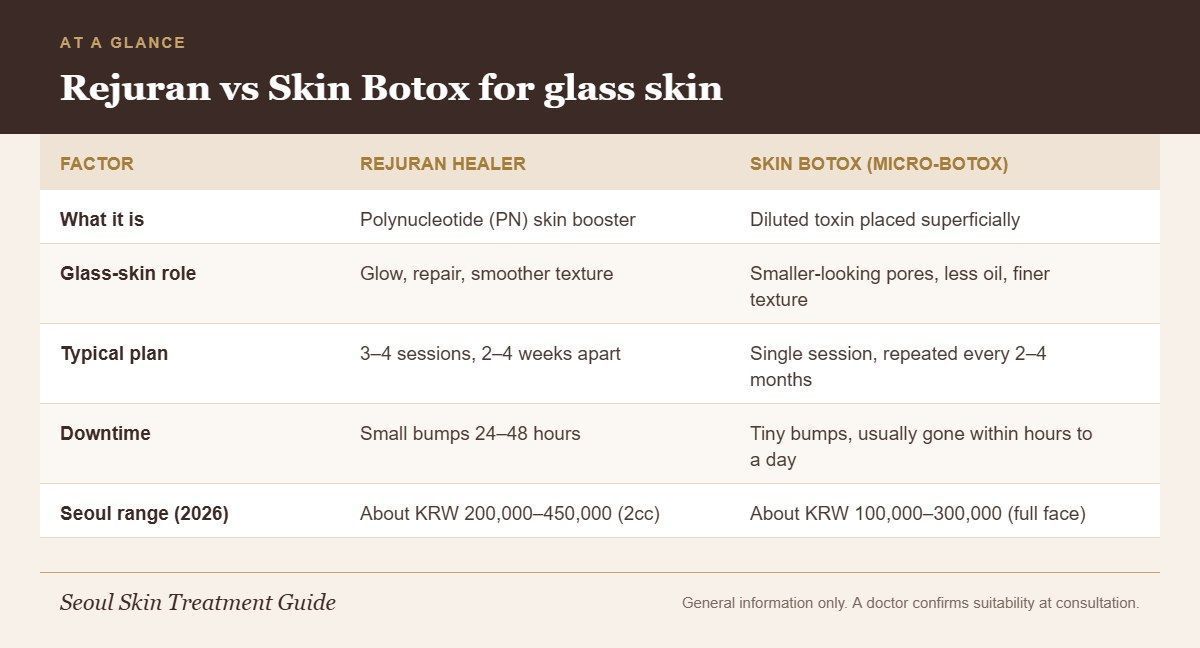
Rejuran Healer is an injectable skin booster made of polynucleotides (PN) derived from salmon DNA. It supports the skin’s repair process, elasticity and texture, so skin looks healthier and more radiant over a series.
Skin Botox, also called micro-Botox, is diluted botulinum toxin injected very superficially in tiny droplets across the face. Instead of relaxing expression muscles, it acts on the surface layers to reduce oil production, make pores look smaller and soften fine texture. It works differently from regular Botox for wrinkles, which targets muscle movement. Ask about skin Botox (micro-Botox) at consultation.
| Glass skin concern | Rejuran Healer | Skin Botox |
|---|---|---|
| Enlarged pores | Mild, indirect improvement | Strong match: pores often look tighter |
| Oily T-zone, midday shine | Not its main purpose | Strong match: reduces oil for a few months |
| Dull, tired or stressed skin | Strong match: repair and glow | Limited effect |
| Rough or uneven texture | Good, builds over a series | Good for fine, crepey texture |
| Sensitive skin | Often chosen to strengthen skin | Possible; doctor checks dose and areas |
| How long it lasts | Builds over 3–4 sessions; maintenance as advised | About 2–4 months per session |
Which is better for your skin type?
Oily or combination skin with visible pores
Skin Botox is usually the first step. Reducing oil and refining enlarged pores creates the smooth, reflective surface people associate with glass skin. For deeper pore concerns, doctors may add other pore treatments in Korea such as radiofrequency microneedling.
Dry, dull or sensitive skin
Rejuran is usually the better start. If your skin lacks bounce and looks tired, improving its condition gives more glow than shrinking pores. People with dull skin often see the most visible change from a repair booster plus consistent hydration and sunscreen.
Normal skin wanting a polished finish
Either can work, and a combination often gives the most complete result. A doctor may suggest Rejuran as the base and skin Botox on the T-zone or cheeks.
How long do results last, and how soon will you see them?
Skin Botox usually starts working within several days, with a smoother, less shiny surface over about two weeks. Results typically last about 2–4 months, so people who love the effect repeat it a few times a year.
Rejuran builds more slowly. Many people notice better texture and glow a few weeks after the first session, with fuller results after 3–4 sessions spaced 2–4 weeks apart. Results vary by skin type, age and lifestyle.
How much do Rejuran and skin Botox cost in Seoul?
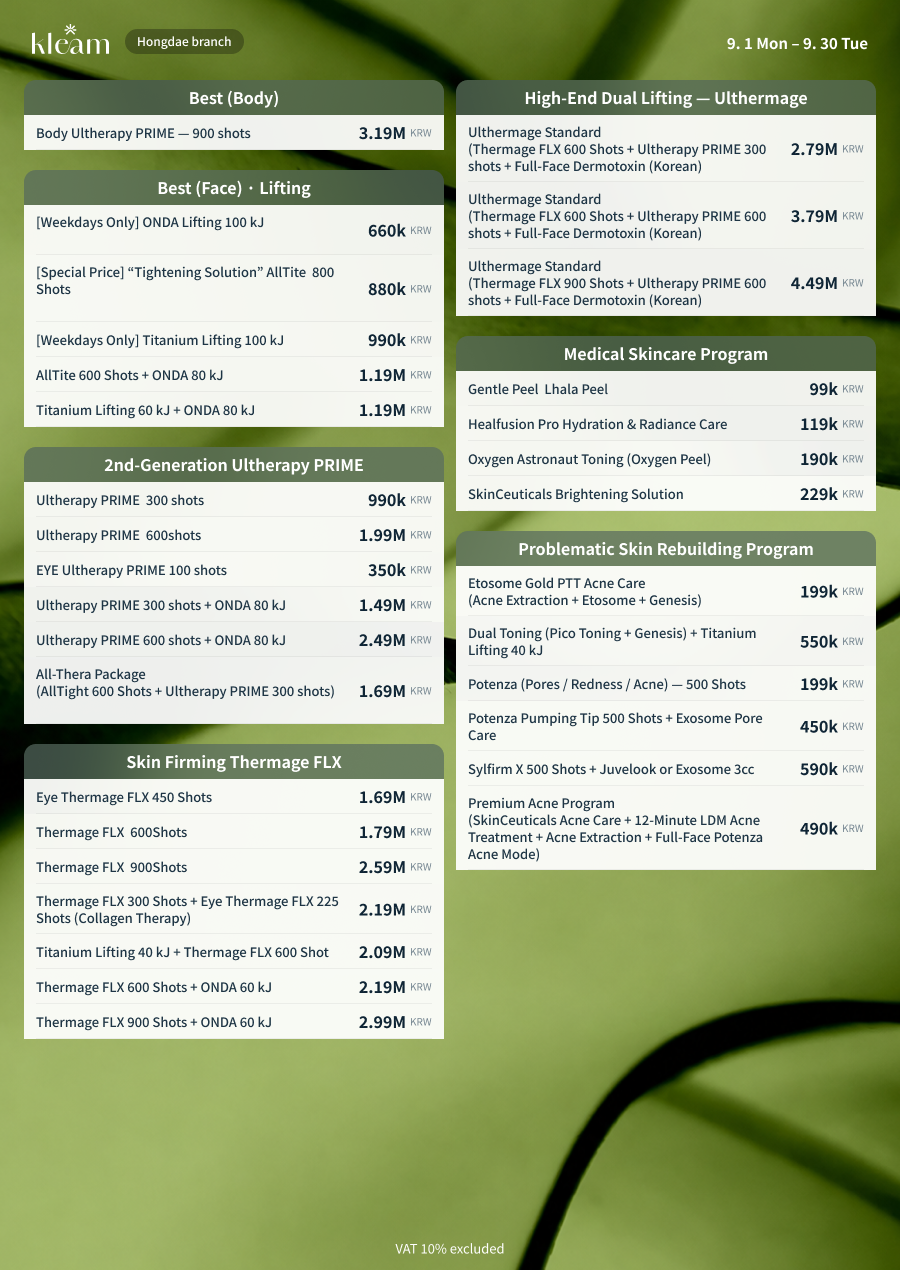
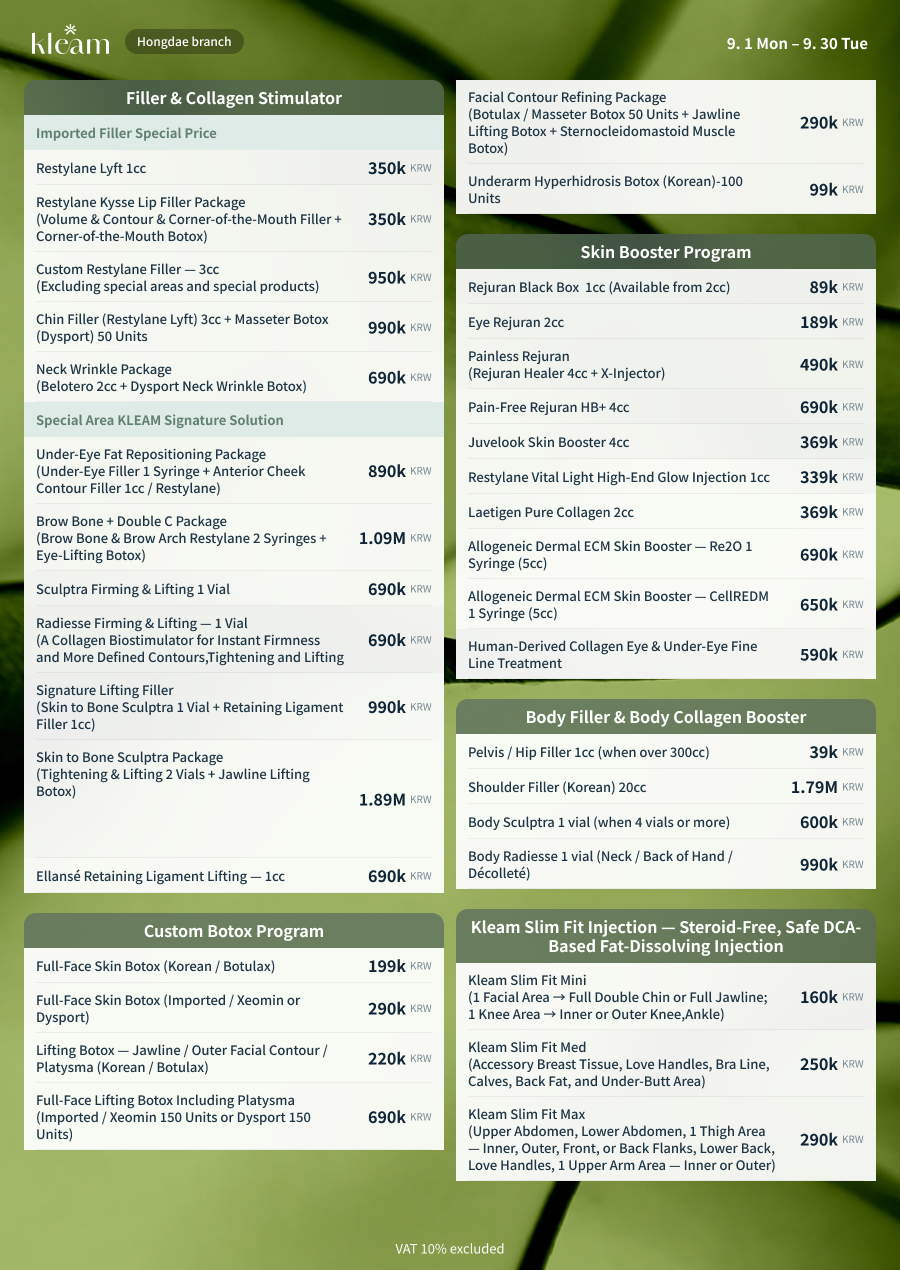
In Seoul, skin Botox for the full face typically costs about KRW 100,000–300,000 (roughly US$70–210) in 2026. Rejuran Healer 2cc typically costs about KRW 200,000–450,000 (roughly US$140–320) per session. These are approximate market ranges, not any single clinic’s prices.
- Skin Botox price drivers: Korean vs imported toxin, the number of units, and whether the full face or only the T-zone is treated.
- Rejuran price drivers: cc amount, Rejuran Healer vs Rejuran HB with lidocaine, and package pricing for a series.
- For both: numbing cream, aftercare products, and the 10% VAT usually added to cosmetic procedures.
For a closer look, read our skin Botox cost guide for Korea and Rejuran cost guide, then check current price list.
Can you combine Rejuran and skin Botox for glass skin?
Yes, and this combination is popular in Korea because the two cover different glass skin needs. Depending on your skin, a doctor may do them on the same day or on separate visits. Common add-ons include hydrating skin booster injections for extra moisture and a gentle laser for tone.
For a wider list of options, see our guide to the best Korean treatments for glass skin. If you want to understand how micro-Botox differs from standard wrinkle Botox, read Botox vs Skin Botox.
Planning your glass skin visit to a clinic in Hongdae, Seoul
Hongdae is easy to reach and convenient for short trips. Hongik Univ. Station is on Seoul Subway Line 2, the Gyeongui–Jungang Line and the AREX Airport Railroad, with direct trains to Incheon and Gimpo airports.
- Ask whether English- or Japanese-speaking staff are available.
- Many clinics take consultations by WhatsApp or KakaoTalk; send clear, no-makeup photos and your travel dates.
- Confirm who performs the treatment, the exact units of toxin or cc of Rejuran, and whether VAT is included.
- Check the clinic’s current Hongdae clinic price list before you book.
- Leave a buffer before your flight or any photos and events.
Read about Rejuran Healer in Hongdae, Botox in Seoul and pore treatments in Korea before your consultation.
Frequently asked questions
Is skin Botox the same as regular Botox?
No. Both use botulinum toxin, but skin Botox is diluted and injected very superficially in many tiny points to reduce oil and refine pores and texture. Regular Botox is placed into muscles to relax expression lines such as frown lines or crow’s feet. The dose, depth and goal are different.
Will skin Botox make my face look frozen?
It should not when placed correctly. Skin Botox is injected superficially and in small amounts, so expressions usually stay natural. Occasionally people notice slight changes in smile or forehead movement, which is why an experienced doctor plans the dose and avoids certain areas. Results fade naturally in about 2–4 months.
How many Rejuran sessions do I need for glass skin?
Rejuran is typically planned as 3–4 sessions spaced 2–4 weeks apart. Some people see a glow after one session, but texture and resilience improve more across the series. If you are only in Seoul briefly, one session can still help, and you can continue at home or on your next trip.
Can I get Rejuran and skin Botox on the same day?
Often yes, if a doctor confirms your skin is suitable. Both involve small injections with short downtime, so many visitors in Korea combine them. Expect small bumps for 24–48 hours. Avoid massage, saunas and heavy exercise for a short period, and do not rub the treated areas.
Can I fly after Rejuran or skin Botox?
Yes, flying the next day is usually fine. Skin Botox bumps typically fade within hours to a day, and Rejuran bumps within about 24–48 hours. If you have photos or events at home, leave a couple of days of buffer and protect your skin from the sun after landing.
Related guides
This guide is general information for international visitors, not medical advice. A doctor confirms suitability, dosage and number of sessions at consultation. Prices are approximate Seoul market ranges and change over time — always check the clinic's current price list. Last updated: October 2026.