Can Tourists Get Skin Treatments in Korea? Complete Guide
Quick answer: Yes, tourists can get skin treatments in Korea. Seoul dermatology clinics routinely treat foreigners on short trips, and many offer English or Japanese support. You need a consultation with a doctor, your passport for registration, and enough time for downtime. Botox, laser toning, lifting and skin boosters fit most itineraries.
Can tourists legally get skin treatments in Korea?
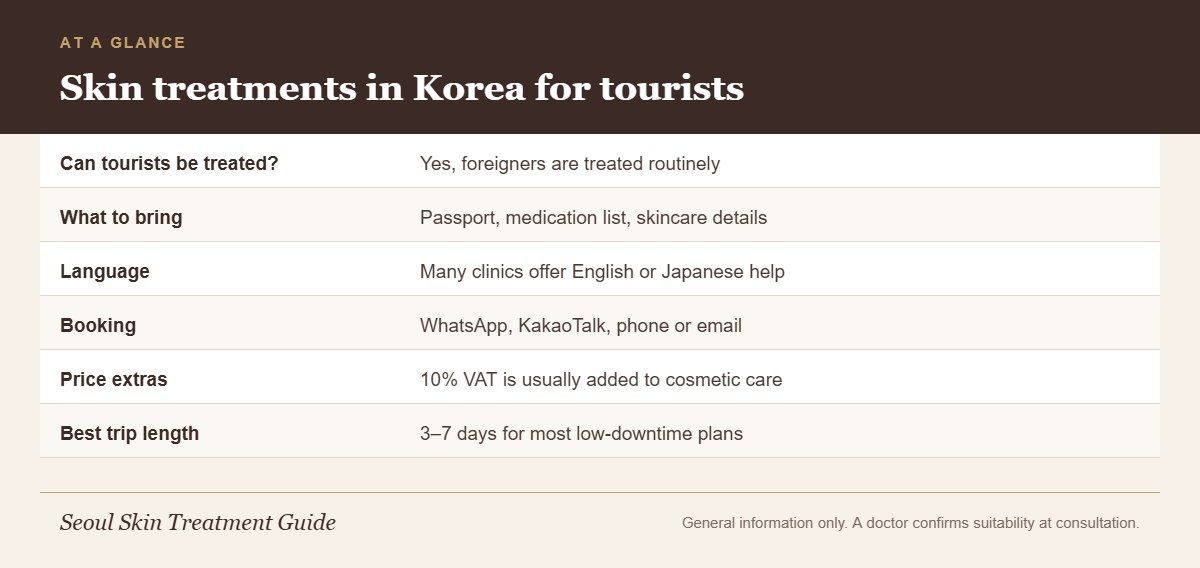
Yes. Korean dermatology and aesthetic clinics see international patients every day, from weekend visitors to long-stay travelers. Cosmetic skin treatments such as Botox, lasers, lifting and skin boosters are outpatient procedures, so you do not need a medical visa or a referral. You register as a patient, see a doctor, sign consent forms and pay at the clinic.
Clinics usually ask for your passport when you register so they can create a medical record. Bring a list of any medications, supplements and allergies, plus details of past cosmetic treatments.
Which skin treatments are popular with tourists in Seoul?
Visitors tend to choose treatments that deliver noticeable results with short recovery:
- Botox: forehead, frown, crow’s feet or jaw slimming; see Botox in Korea.
- Lifting devices: Ultherapy, Thermage FLX, InMode or Shurink, with 0–1 day of downtime.
- Skin boosters: Rejuran Healer, Juvelook or water-glow injections for texture and glow.
- Pigment lasers: pico laser and laser toning for spots and dullness.
- Fillers: lips, chin or under-eyes; see fillers in Seoul.
- Acne care: extraction and calming facials; see acne care.
How long should a tourist stay for each type of treatment?
| Your time in Seoul | Treatments that usually fit | Typical downtime |
|---|---|---|
| 1–2 days (stopover) | Botox, laser toning, Aqua peel, lifting devices | 0–1 day |
| 3–5 days | Add skin boosters, Rejuran, fillers | 1–3 days of bumps or swelling |
| 1 week | Add Potenza or Fraxel early in the trip | 2–5 days of redness |
| 2 weeks or more | CO2 fractional, series of boosters or toning | About 5–7 days for CO2 |
For a day-by-day breakdown, see How Long Should You Stay in Korea After a Skin Treatment?
How much do skin treatments cost for tourists in Korea?
Foreigners generally see the same menu as local patients. Approximate 2026 Seoul market ranges (1 USD ≈ KRW 1,400):
- Forehead Botox with Korean toxin: KRW 30,000–100,000 (US$20–70)
- Laser toning: KRW 30,000–100,000 (US$20–70) per session
- Rejuran Healer 2cc: KRW 200,000–450,000 (US$140–320)
- Lip filler 1cc: KRW 150,000–400,000 (US$110–290)
- Ultherapy 300 lines: KRW 800,000–1,800,000 (US$570–1,290)
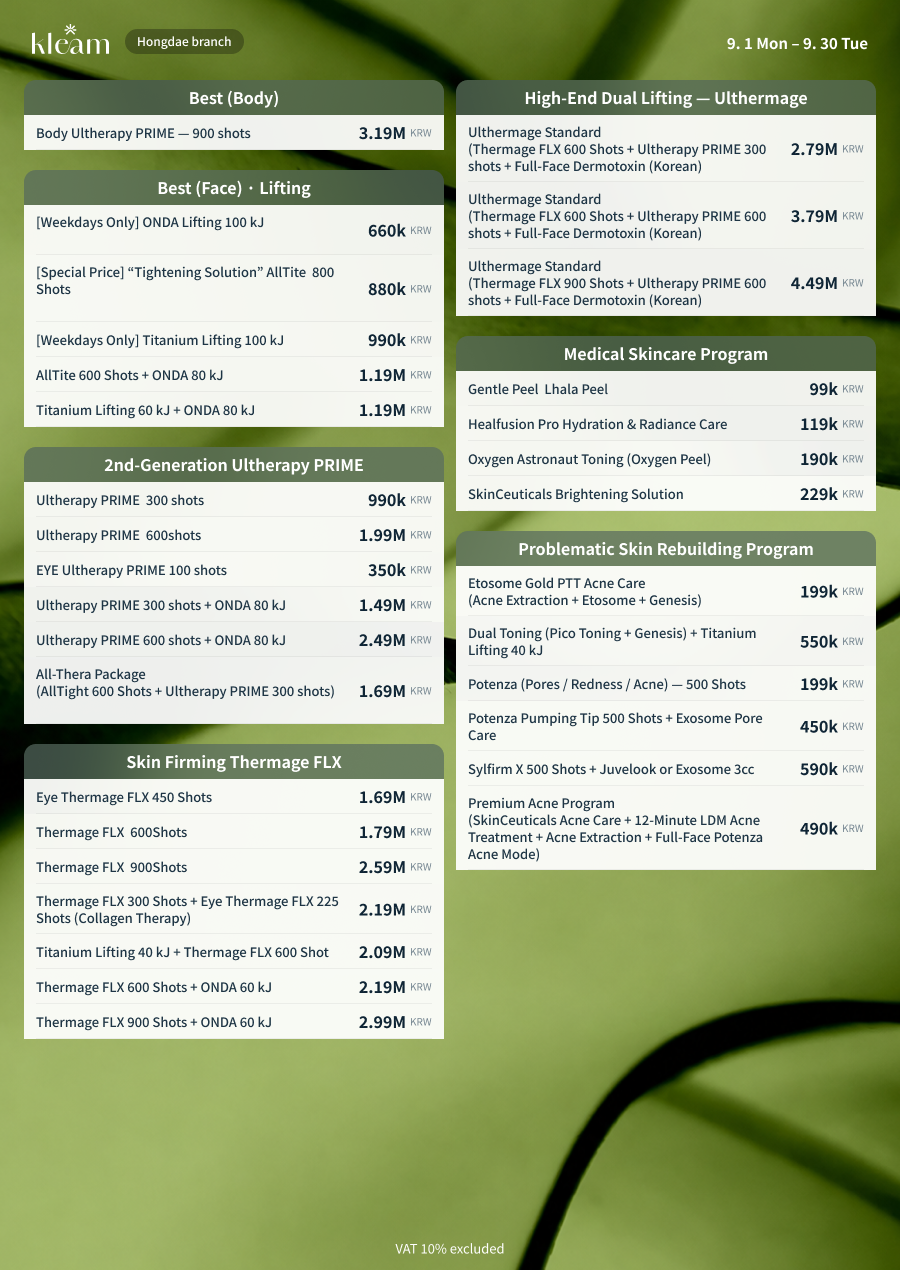
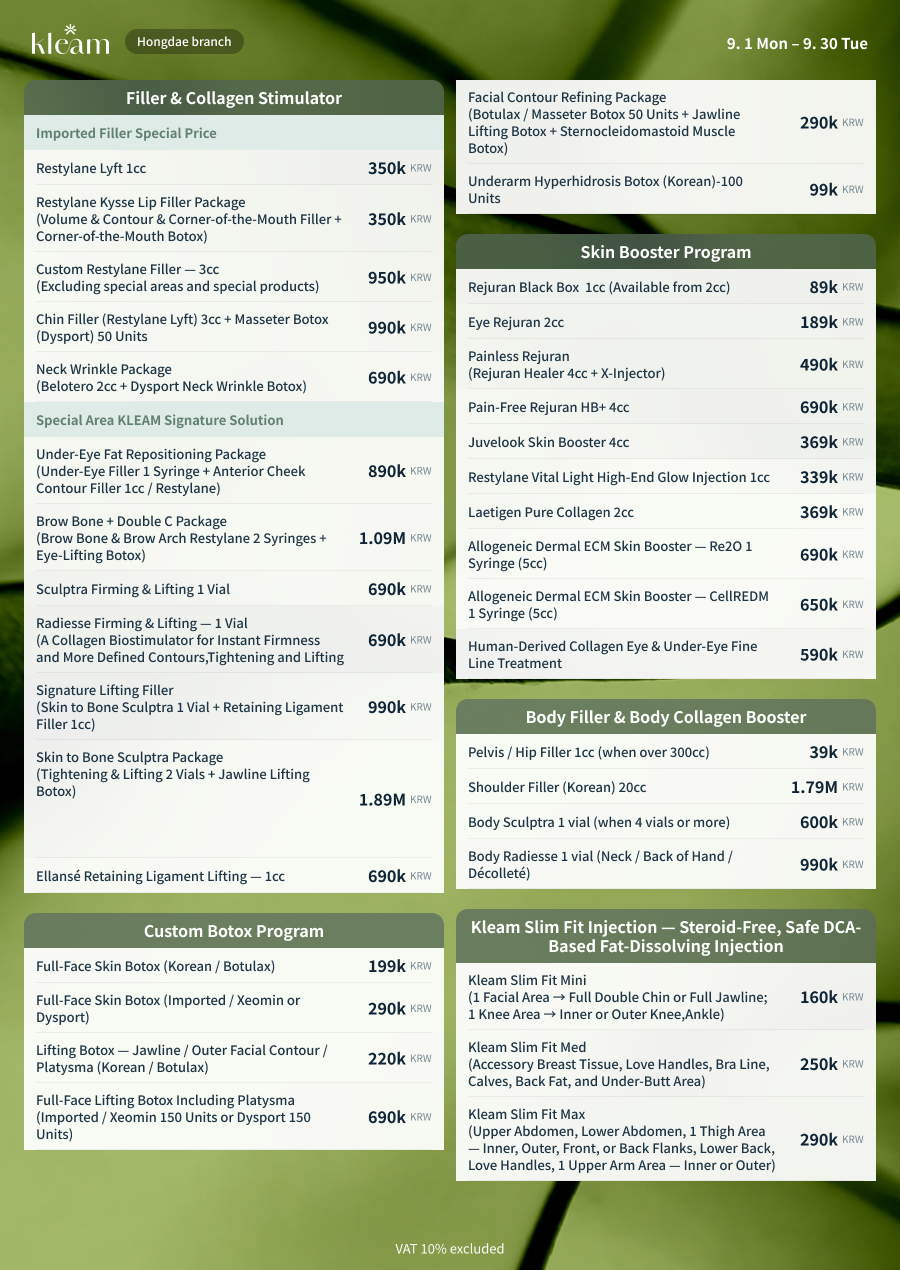
What changes the bill: units, shots or cc; Korean versus imported products; the number of sessions; packages; whether numbing and aftercare are included; and the 10% VAT usually added to cosmetic procedures. Do not count on a tax refund. Consultations are often free or low cost, so ask the clinic. For exact figures, see the current price list and our Skin Clinic Cost in Korea: 2026 Price Guide for Foreigners.
How do tourists book and what happens on the day?
- Message the clinic on WhatsApp or KakaoTalk with your concern, photos and travel dates.
- Get a preliminary suggestion and confirm an appointment time.
- Arrive with your passport and fill in a medical questionnaire.
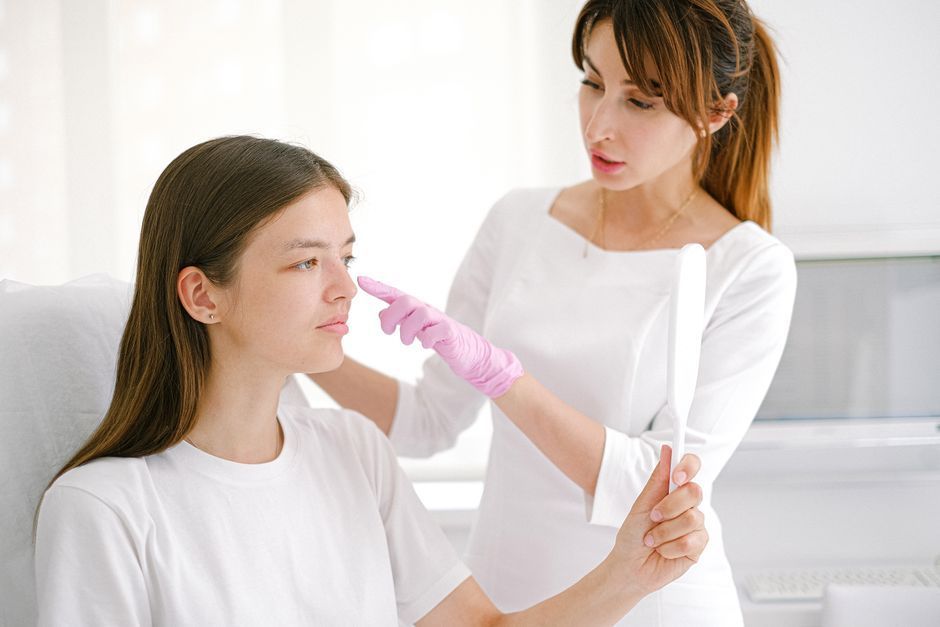
- Consult with the doctor, who confirms suitability, dose and sessions.
- Review the price and sign consent before treatment.
- Treatment and aftercare instructions, ideally in writing so you can follow them at your hotel.
Is it safe for tourists to get treated in Korea?
Korean dermatology is highly developed, but safety still depends on the clinic and on your own planning. Look for a clinic where a doctor examines you, explains risks, uses genuine products and gives clear aftercare in a language you understand. Tell the doctor about pregnancy or breastfeeding, blood thinners, isotretinoin use, cold sores and recent treatments.
Plan for the unexpected: avoid treating the day before a long flight if the procedure has swelling, and keep the clinic’s contact details in case you have questions after you return home. Results vary, and no clinic can guarantee an outcome.
Planning your visit to a skin clinic in Hongdae, Seoul
Hongdae is a lively university and arts area with many hotels and guesthouses. Hongik Univ. Station is served by Line 2, the Gyeongui–Jungang Line and the AREX Airport Railroad, which runs directly to Gimpo and Incheon airports. Many clinics in the area have English- or Japanese-speaking staff who support international visitors.
Many clinics take consultations by WhatsApp or KakaoTalk, so send your concerns, photos and travel dates in advance. Before booking, confirm who performs the treatment, the exact units, shots or cc, and whether VAT is included. Check the current Hongdae clinic price list, and browse skin treatments in Seoul, Botox and acne care. Leave a buffer before your flight.
Frequently asked questions
Do I need a visa or special paperwork for skin treatments in Korea?
No special visa is needed for cosmetic dermatology. Tourists on a regular visit can be treated as outpatients. Bring your passport for registration, along with a list of medications and allergies. You will complete a medical questionnaire and consent form at the clinic before any treatment.
Do Korean skin clinics speak English?
Many Seoul clinics that serve international visitors offer English support, and some also offer Japanese or Chinese. Ask before booking whether staff or the doctor can explain risks and aftercare in your language. Messaging apps like WhatsApp or KakaoTalk make it easier to share photos and questions in advance.
Can I just walk in, or do I need an appointment?
Some clinics accept walk-ins, but booking ahead is strongly recommended, especially on weekends and for longer treatments like lifting. Messaging a few days before your trip lets the clinic plan time with the doctor and give a rough idea of options and pricing.
How do tourists pay at Korean skin clinics?
Payment is made at the clinic, typically by card or cash, after you agree on the treatment. Prices for cosmetic procedures often have 10% VAT added. Ask whether numbing, aftercare products and follow-ups are included before you pay, and keep your receipt for your records.
What if I have a problem after I fly home?
Before leaving, ask the clinic what reactions are normal and how to contact them with photos via WhatsApp or KakaoTalk. For anything urgent, such as signs of infection or severe swelling, see a local doctor promptly and share your treatment details, including product names and doses.
Related guides
This guide is general information for international visitors, not medical advice. A doctor confirms suitability, dosage and number of sessions at consultation. Prices are approximate Seoul market ranges and change over time — always check the clinic's current price list. Last updated: October 2026.